
Pressure & Leak Testing
Verification of refrigerant piping integrity before system startup.
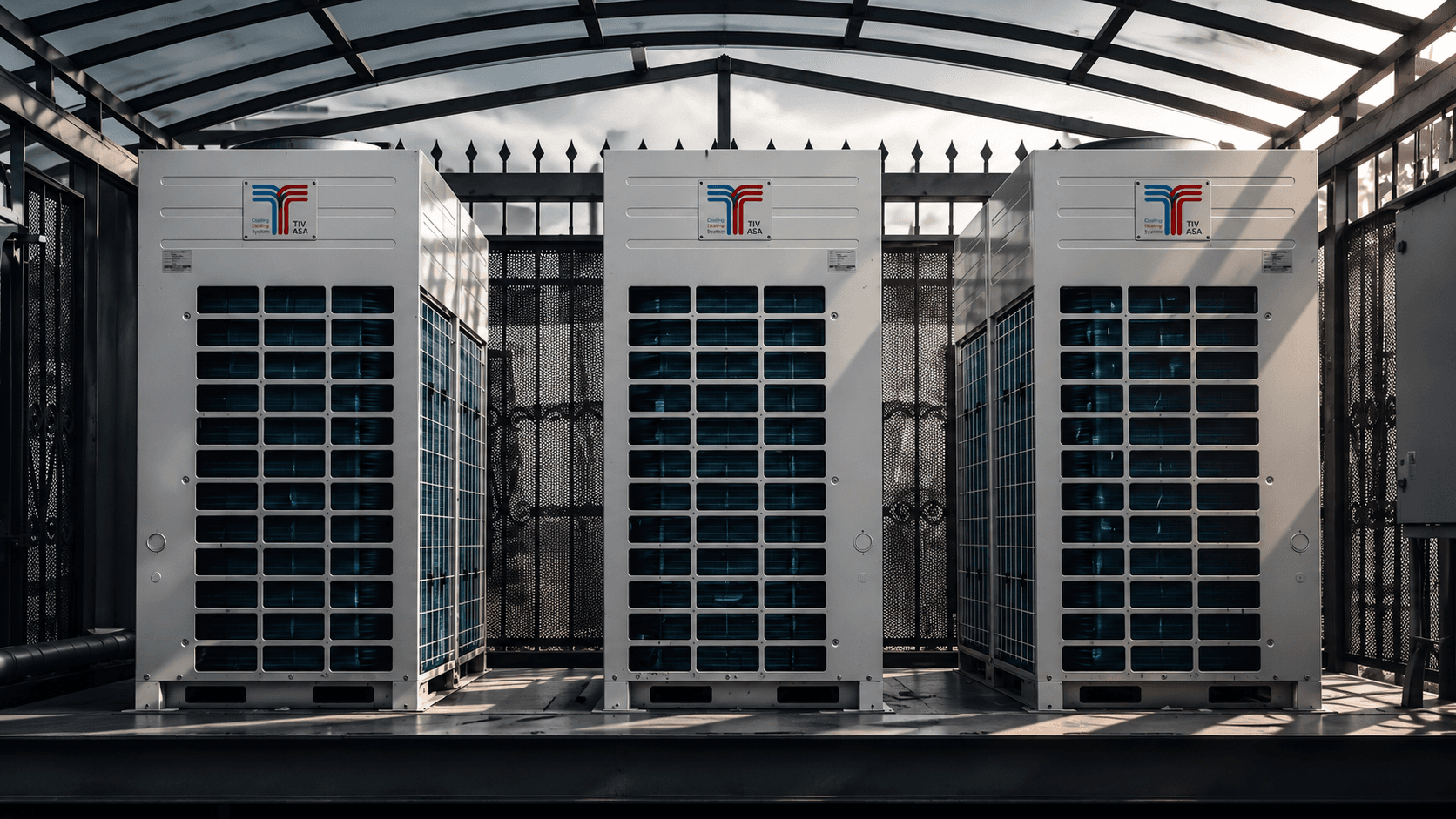
Tivasa provides engineering-led VRF installation and commissioning for commercial and industrial environments, integrating system planning, equipment installation, technical testing and final commissioning.
Reliable VRF execution begins with a clear understanding of the building, its load requirements, and the technical limitations of the installation environment.
System design, piping configuration, equipment positioning, electrical coordination, and commissioning must work together to achieve dependable long-term operation.
Every project begins with an understanding of the building, its intended use, thermal requirements, architectural conditions, and technical constraints.
Heating and cooling loads, equipment capacity, refrigerant piping routes, elevation differences, and system configuration are evaluated before execution.
Indoor and outdoor units are selected according to project requirements, operating conditions, capacity corrections, and system compatibility.
Equipment documentation, delivery sequencing, storage conditions, and site coordination are considered to support an organized installation process.
Installation covers equipment positioning, refrigerant piping, nitrogen-purged brazing, insulation, condensate drainage, electrical power, and communication wiring.
System integrity and operation are verified through pressure and leak testing, evacuation, refrigerant charging, addressing, and operational measurements.
Controllers, operating schedules, system settings, and applicable building-management interfaces are configured around the project's operational needs.
The installation process concludes with technical documentation, commissioning records, and guidance for the building's operating personnel.
Every project begins with an understanding of the building, its intended use, thermal requirements, architectural conditions, and technical constraints.
Commissioning brings the installation process together. Each technical check contributes to verifying system integrity, configuration, and operating performance.
Verification of refrigerant piping integrity before system startup.
Removal of moisture and non-condensable gases using appropriate evacuation and hold-test procedures.
Charging according to equipment requirements and the installed piping configuration.
Review of addressing, temperatures, pressures, electrical current, and operating conditions.
Equipment warranty, technical documentation, fault diagnosis, and after-sales coordination are important considerations throughout the operational life of a VRF system.
Specific warranty and service terms depend on the equipment and project agreement.
Planned maintenance helps protect system efficiency, identify developing faults, and reduce avoidable operational interruptions.
Equipment selection and installation requirements vary by manufacturer and system configuration.
Manufacturer names identify VRF equipment brands; they do not imply formal endorsement or certification.
Planning a VRF installation? Discuss your project's technical requirements, system configuration, and execution needs.
Discuss your project